
Feeling foggy, achy, and parched; could it be the dreaded and nearly mythical weed hangover?
Woke up feeling groggy after last night’s smoke session? You might be experiencing what many cannabis users call a “weed hangover.” While not everyone agrees these exist, plenty of smokers report feeling tired, unfocused, or just plain blah the morning after consuming cannabis.
Unlike alcohol hangovers that can leave you hugging the toilet, weed hangovers are typically much milder. Think more along the lines of brain fog and dry mouth rather than intense nausea and pounding headaches. Still, they can put a damper on your day if you’re not prepared to deal with them.
The good news? There are practical ways to both treat and prevent these next-day effects. Whether you’re dealing with your first weed hangover or looking to avoid future ones, this guide breaks down everything you need to know about managing the morning after.
What Causes a Weed Hangover?
Several factors can contribute to feeling rough after cannabis use. Understanding these causes can help you make smarter choices during your next session.
THC Potency and Dosage
High-THC products pack a punch, and consuming too much can leave you feeling the effects well into the next day. Delta-9-tetrahydrocannabinol (THC) is the compound responsible for cannabis’s psychoactive effects, and it can linger in your system longer than you might expect.
Dehydration
Cannabis can cause dry mouth and eyes during use, and if you’re not staying hydrated throughout your session, you’ll likely wake up feeling parched and sluggish. Dehydration amplifies many hangover symptoms.
Sleep Quality
While cannabis can help some people fall asleep, it may interfere with REM sleep cycles. Poor sleep quality can leave you feeling tired and unfocused the next day, mimicking hangover symptoms.
Method of Consumption
Smoking cannabis can irritate your respiratory system, potentially contributing to morning grogginess. Different consumption methods affect your body in various ways and may influence how you feel the following day.

Common Weed Hangover Symptoms
Not everyone experiences weed hangovers the same way, but several symptoms tend to pop up consistently among those who do report them:
- Fatigue and lethargy – Feeling unusually tired or lacking energy
- Brain fog – Difficulty concentrating or thinking clearly
- Dry eyes and mouth – Persistent dryness that water doesn’t seem to fix
- Mild headaches – Dull pressure or tension in your head
- Nausea – Stomach upset or queasiness
- Difficulty focusing – Trouble staying on task or remembering things
A 1985 study found that participants who smoked cannabis had subtle but measurable effects the next day, including altered time perception. While research on this topic remains limited, anecdotal reports from cannabis users consistently describe these types of symptoms. https://pubmed.ncbi.nlm.nih.gov/2992898/
Effective Treatment Options
Dealing with a weed hangover? These remedies can help you bounce back faster and feel more like yourself again.
Stay Hydrated
Water is your best friend when battling any type of hangover. Cannabis use can dehydrate your body, so drinking plenty of water helps combat dry mouth, headaches, and overall sluggishness. Keep a water bottle handy and sip consistently throughout the day.
Eat a Nutritious Breakfast
Your body needs fuel to recover. Skip the greasy fast food and opt for a balanced meal with whole grains, lean protein, and healthy fats. This combination helps stabilize blood sugar and provides sustained energy to combat fatigue.
Take a Hot Shower
Sometimes a refreshing shower is all you need to reset your day. The steam can help open your airways if you’ve been smoking, while the hot water helps you feel more alert and refreshed.
Try CBD
Some users report that cannabidiol (CBD) helps counteract weed hangover symptoms. CBD may help with headaches, nausea, and brain fog without adding more THC to your system. Just make sure any CBD products you use are THC-free.
Make Ginger Tea
If nausea is bothering you, ginger can be incredibly soothing. Add fresh grated ginger to hot water with lemon and honey for a natural stomach settler that also helps with hydration.
Consider Caffeine
A cup of coffee or tea can help combat fatigue and improve focus. Just don’t overdo it—too much caffeine when you’re already dehydrated can backfire.
Take Over-the-Counter Pain Relief
For persistent headaches, ibuprofen or acetaminophen can provide relief. Follow package directions and don’t exceed recommended doses.
Rest and Wait It Out
Sometimes the best remedy is simply time. Take it easy, follow your usual routine while staying hydrated, and most weed hangover symptoms should resolve within 24 hours.
Prevention Strategies That Actually Work
The most effective way to avoid weed hangovers is preventing them in the first place. Here are proven strategies to minimize your risk:
Choose Lower-Potency Products
High-THC cannabis is more likely to cause next-day effects. Consider products with lower THC content or higher CBD-to-THC ratios, which may provide a more balanced experience with fewer residual effects.
Practice Moderation
Know your limits and stick to them. Start with small amounts, especially when trying new products or consumption methods. You can always consume more, but you can’t take it back once it’s in your system.
Stay Hydrated Throughout Your Session
Don’t wait until the next morning to start hydrating. Drink water before, during, and after cannabis use to prevent dehydration-related symptoms.
Avoid Mixing Substances
Combining cannabis with alcohol or other substances increases your risk of feeling rough the next day. Stick to one substance at a time to better gauge your body’s response.
Keep a Cannabis Journal
Track different strains, consumption methods, and dosages to identify patterns. Note which products or situations lead to hangover symptoms so you can avoid them in the future. Pay attention to specific terpenes or THC levels that might trigger negative effects.
Choose Alternative Consumption Methods
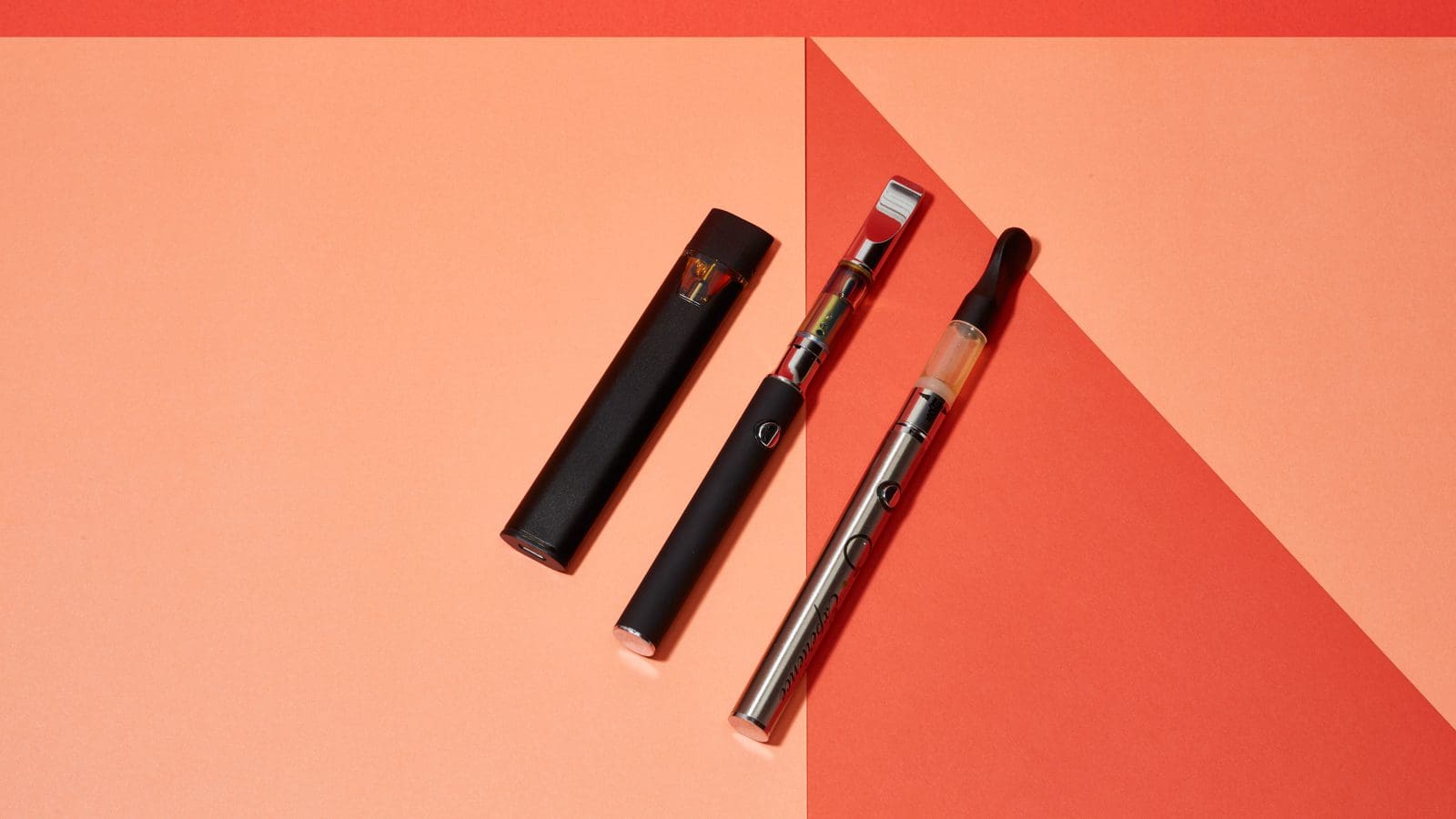
If smoking consistently leaves you feeling groggy, experiment with other methods like vaporizing, edibles, or tinctures. Different methods affect your body differently and may reduce hangover risk.
Time Your Sessions Wisely
Avoid consuming cannabis too close to bedtime, as it may interfere with sleep quality. Give yourself several hours between your last dose and when you plan to sleep.
When to Seek Medical Advice
Most weed hangovers resolve on their own within a day, but certain situations warrant professional medical attention:
- Symptoms lasting more than 48 hours
- Severe nausea or vomiting that prevents you from keeping fluids down
- Persistent, severe headaches that don’t respond to over-the-counter pain relief
- Chest pain or difficulty breathing
- Signs of an allergic reaction like hives, swelling, or difficulty swallowing
- Any symptoms that seem unusually severe or concerning
If you’re experiencing frequent weed hangovers or they’re significantly impacting your daily life, consider discussing your cannabis use with a healthcare provider. They can help you evaluate whether your consumption patterns are appropriate for your individual health needs.
Smart Cannabis Consumption for Better Mornings
Weed hangovers might not be as brutal as their alcohol counterparts, but they’re real enough to affect your day. The key is finding the right balance for your body and lifestyle.
Remember that everyone responds to cannabis differently. What works for your friends might not work for you, and that’s completely normal. Pay attention to your body’s signals and adjust your consumption accordingly.
By staying hydrated, choosing quality products, practicing moderation, and keeping track of what works best for you, you can enjoy cannabis while minimizing next-day effects. Most importantly, don’t let a rough morning discourage you from learning about responsible consumption.
Have questions about different strains, potency levels, or consumption methods? Our knowledgeable budtenders at Kush21 locations are here to help you make informed choices that work best for your lifestyle and tolerance level. Want to learn more? Check out our blog post: What’s the Best Cannabis Consumption Method for Me?