Quick answer: CBD (cannabidiol) is a non-psychoactive compound in cannabis that won’t get you high, but research shows it may help with seizures, chronic pain, anxiety, and sleep issues. The FDA has approved one CBD medication, Epidiolex, for severe epilepsy. CBD is legal in all 50 states under the 2018 Farm Bill, though research on many of its other potential benefits is still developing.
CBD has gone from a niche wellness trend to a staple on dispensary shelves and grocery store checkout lines alike. You’ve probably seen it in everything from tinctures to gummies to your neighbor’s dog treats. But beyond the buzz, there’s real science worth paying attention to, and real nuance that often gets lost in the marketing noise.
This guide breaks down what cannabidiol actually is, what the research says about its benefits, and what we still don’t know. Consider this your no-fluff resource for making informed decisions about CBD, whether you’re curious about managing chronic pain or just want to separate fact from hype.
What Exactly Is CBD?
Cannabidiol, or CBD, is the second most prevalent active ingredient in cannabis. Unlike its famous cousin THC (tetrahydrocannabinol), CBD doesn’t produce a “high.” Research published by Harvard Health confirms that acute CBD use alone is unlikely to impair daily functioning or workplace performance.
That distinction is exactly why CBD has exploded in popularity. People get access to potential therapeutic effects without the psychoactive experience that comes with THC. And legally speaking, the landscape shifted dramatically in 2018: the Farm Bill removed hemp-derived CBD from the Controlled Substances Act, making it federally legal across all 50 states (as long as it’s derived from hemp rather than marijuana).
Even the World Health Organization has weighed in on CBD’s safety profile, stating that “CBD exhibits no effects indicative of any abuse or dependence potential” and that there’s no evidence of public health issues tied to pure CBD use.
How Does CBD Interact With the Body?
CBD works with your body’s endocannabinoid system (ECS), a network of receptors that helps regulate mood, pain, sleep, and immune response. According to research published in PMC, CBD doesn’t bind strongly to the main cannabinoid receptors (CB1 and CB2) the way THC does. Instead, it works more indirectly, boosting levels of your body’s natural endocannabinoids and interacting with other receptors like TRPV1, GPR55, and serotonin’s 5-HT1A receptor.
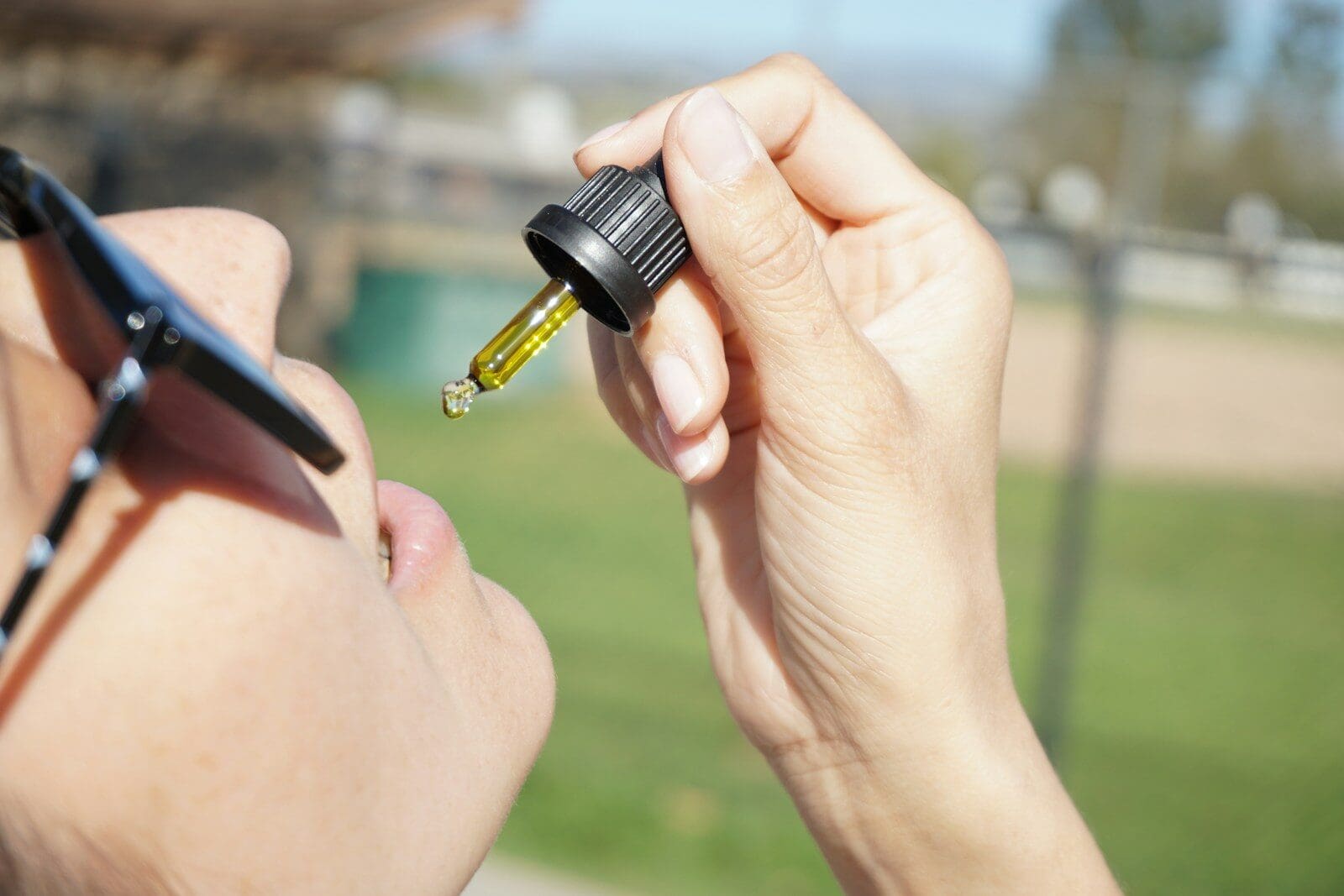
One practical detail that matters for how you use CBD: bioavailability. Inhaling CBD (through vaping, for example) gets it into your bloodstream fast, while oral products like edibles and capsules take longer to kick in but may last longer. Your method of choice should depend on what you’re treating and how quickly you need relief.
What Does the Research Actually Show?
Can CBD Help With Seizures?
This is where the science is strongest. Epidiolex, a CBD-based medication, is the first and only FDA-approved cannabis-derived drug. It treats seizures associated with Dravet syndrome and Lennox-Gastaut syndrome, two severe forms of childhood epilepsy. Clinical reviews cited in PMC research show CBD can reduce seizure frequency by roughly 33% in these patients.
Does CBD Help With Pain and Inflammation?

Multiple studies point to CBD’s potential for pain relief. A study published in the European Journal of Pain found that topical CBD reduced pain and inflammation linked to arthritis. Other clinical trials show CBD may help with neuropathic pain, including a placebo-controlled trial where transdermal CBD oil significantly reduced symptoms of peripheral neuropathy. Mechanistically, CBD activates TRPV1 receptors and interacts with opioid receptors, both of which play roles in how your body processes pain signals.
Is CBD Good for Anxiety and Mental Health?
CBD may help regulate activity in brain regions tied to anxiety, like the amygdala and prefrontal cortex. Clinical trials using doses between 300 and 600 mg have shown reduced anxiety during stressful tasks like public speaking, an effect researchers link to CBD’s activation of serotonin’s 5-HT1A receptor. That said, not every health organization is fully on board yet. Brown Health notes there’s currently insufficient scientific evidence to medically recommend CBD specifically for anxiety, even though plenty of anecdotal and early clinical data looks promising.
Can CBD Improve Sleep?
For people whose sleep problems stem from anxiety or trauma, CBD’s calming properties may help. Research suggests it can increase total sleep time in people with insomnia. Interestingly, studies also show CBD doesn’t affect sleep patterns in people who already sleep well, meaning it may work by addressing the underlying issue (like anxiety or pain) rather than acting as a straightforward sedative.
What About Inflammation, Nausea, and Brain Health?
CBD shows anti-inflammatory potential by reducing pro-inflammatory cytokines, which could benefit conditions like arthritis. It’s also been studied as an anti-nausea treatment, particularly for chemotherapy-induced nausea and vomiting, by interacting with serotonin receptors in the gut and brain. And in early-stage research, CBD shows promise for neuroprotection in conditions like Parkinson’s and Alzheimer’s disease, including reducing the amyloid-beta buildup associated with Alzheimer’s. These areas are exciting but still need more human clinical trials before any firm conclusions can be drawn.
What We Still Don’t Know About CBD
Here’s the honest truth: researchers don’t fully understand the exact mechanisms behind many of CBD’s effects. While we know CBD interacts with dozens of receptors throughout the body, pinning down exactly how those interactions translate to real-world benefits (especially for general anxiety or everyday sleep issues) requires more robust human studies.
There’s also individual variation to consider. Two people taking the same CBD dose can have completely different experiences based on body chemistry, the condition being treated, and even what else they’ve eaten that day.
Perhaps most importantly: CBD can interact with other medications. Because it’s metabolized by liver enzymes (the cytochrome P450 system), CBD can affect how your body processes other drugs, including blood thinners like warfarin, antiepileptics, and immunosuppressants. If you’re on any prescription medication, talk to your doctor before starting a CBD regimen. This isn’t a scare tactic, it’s just good practice.
Practical Tips for Using CBD
CBD comes in a lot of forms these days: oils, tinctures, capsules, edibles, and vapes. Each has its own absorption speed and duration, so the “best” format really depends on what you’re trying to achieve.
A few things worth keeping in mind before you buy:
- Quality varies wildly. Unregulated CBD products can contain contaminants like pesticides and heavy metals, and some don’t even contain the amount of CBD listed on the label. Always purchase from a trusted retailer
- Side effects are usually mild but real. Nausea, fatigue, and irritability are the most commonly reported. High doses can also affect liver function, which is another reason lab testing matters.
- Reputable brands matter. Look for products with third-party lab testing and transparent sourcing, like what you’ll find from trusted retailers such as Kush21.
- Your doctor should know. Especially if you’re managing a chronic condition or taking other medications.
The Bottom Line on CBD
CBD has earned its spot as a legitimate option worth exploring, particularly for epilepsy, and with growing evidence for pain and anxiety management. The 2018 Farm Bill made it accessible nationwide, and that accessibility has fueled both genuine innovation and, admittedly, some overhyped marketing claims.
The smartest move is to approach CBD the way you’d approach any supplement: understand what the research actually supports, stay realistic about what’s still unproven, and prioritize quality over price. As more clinical trials roll out, expect clearer guidance on dosing and which conditions respond best. Until then, do your homework, read the lab reports, and buy from sources that take testing seriously.
Frequently Asked Questions
Is CBD legal everywhere in the United States?
Yes. Under the 2018 Farm Bill, hemp-derived CBD is legal in all 50 states. CBD derived from marijuana (rather than hemp) remains federally restricted, though many states have their own legal markets for cannabis-derived products.
Will CBD show up on a drug test or get me high?
No, CBD is non-psychoactive and won’t produce a high. Most standard drug tests screen for THC, not CBD, though trace amounts of THC in some CBD products could theoretically trigger a positive result, so check lab reports if this is a concern.
How long does it take for CBD to work?
It depends on the method. Inhaled CBD (vaping) works within minutes, while oral products like edibles and capsules can take 30 minutes to two hours, depending on your body and whether you’ve eaten recently.
Can I take CBD with my other medications?
You should talk to your doctor first. CBD is processed by liver enzymes that also metabolize many common medications, including blood thinners and antiepileptics, which can lead to interactions.
Is CBD safe for everyday use?
For most healthy adults, moderate CBD use appears well tolerated. Common side effects include fatigue, nausea, and irritability. High doses may affect liver function over time, so it’s worth discussing long-term use with a healthcare provider.