
Yes—your choice of marijuana method affects the intensity, onset, and duration of effects. Different consumption methods influence how much THC enters your bloodstream, how quickly it takes effect, and how long effects last. Understanding these differences can help you make a more informed choice based on your preferences and situation.
How Does Marijuana Affect the Body?
When you consume cannabis, THC (tetrahydrocannabinol)—the primary psychoactive compound—enters your bloodstream and interacts with the body’s endocannabinoid system. When cannabis flower is heated, THC is activated and absorbed through the lungs.
THC concentration in the blood peaks within minutes of inhalation. However, the amount that actually reaches your system depends on several variables: temperature, filtration method, and inhalation depth. This is where different marijuana methods begin to diverge.
Method 1: Joints & Blunts
What are joints and blunts?
Joints and blunts are among the most widely used marijuana methods. Joints use thin rolling papers—typically made from rice or hemp—while blunts use tobacco leaf or hemp wraps.
The Experience:
- Slower, more gradual onset
- Burns at lower temperatures
- Paper adds minimal flavor interference
Pros:
- Portable and convenient
- Conducive to group use
- Consistent, controlled consumption
Cons:
- Some THC is lost to combustion
- Burns continuously between puffs
- Paper can affect taste
The rolling paper or wrap acts as a buffer that slightly reduces harshness, producing a more measured experience compared to direct flame methods. Some THC is lost to the continuous burn, making joints somewhat less efficient than other delivery methods.
Method 2: Pipes
How do pipes differ from joints?
Pipes—whether glass, wooden, or metal—deliver a more direct smoking experience than joints. Without paper burning alongside the flower, users can taste more of the strain’s natural terpenes.
The Experience:
- Quick onset (approximately 1–3 minutes)
- More pronounced flavor profile
- Higher temperature combustion
Pros:
- Efficient THC delivery
- Reusable and cost-effective
- Better flavor than joints
- Easy portion control
Cons:
- Harsher smoke
- Can get hot quickly
- Requires more frequent cleaning
Because there is no continuously burning paper, pipes are generally more efficient at THC delivery per unit of flower used.
Method 3: Bongs
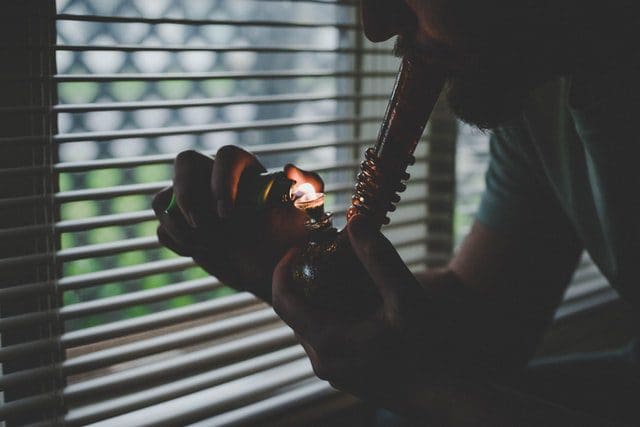
Do bongs get you higher than joints?
The claim that bongs produce stronger effects than joints has circulated in cannabis culture for decades, and there is some scientific context worth understanding.
How Bongs Work:
Water filtration cools the smoke and filters out some tar and ash. Critically, cooled smoke allows for larger volume inhalations without the same level of harshness. According to research on cannabis consumption, users typically inhale significantly larger amounts of smoke per bong hit than per joint puff—and that increased volume is a key factor in onset intensity.
The Experience:
- Smoother, cooler hits
- Rapid onset
- Potentially stronger effects due to larger inhalation volume
Pros:
- Water filtration removes some toxins
- Larger hit capacity
- Customizable with percolators and ice
- Cleaner taste
Cons:
- Less portable
- Requires regular maintenance
- Can be intense for newer consumers
A 2000 study by NORML found that water pipes did not deliver more THC per unit of smoke than joints. However, the study did not account for the larger volume of smoke typically inhaled in a single bong hit—meaning the total THC intake per session may still differ based on user behavior.
Bongs are better suited for experienced consumers who are familiar with their tolerance. Newer consumers may find the intensity harder to manage.
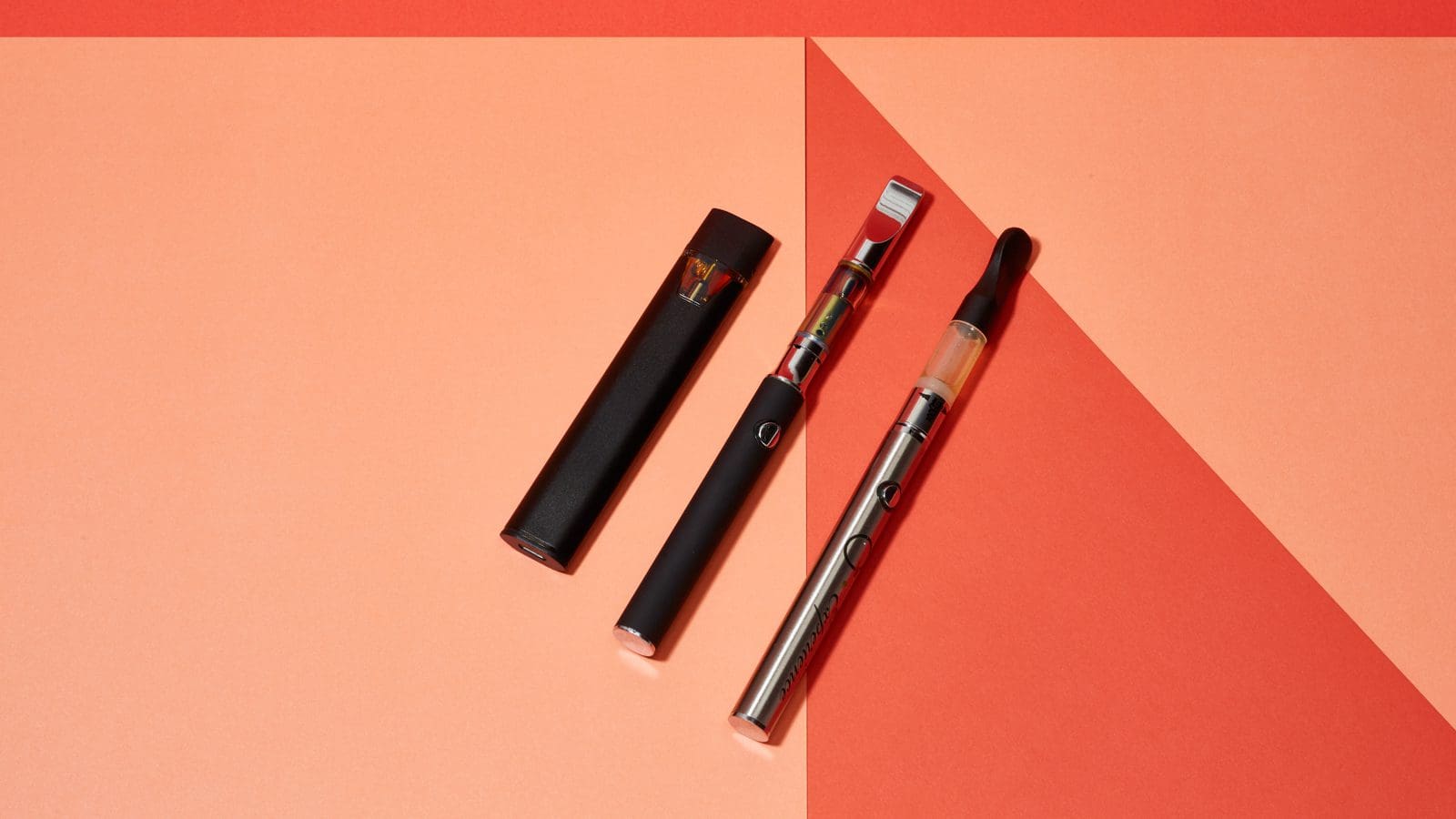
Method 4: Vaporizers
Is vaping cannabis more efficient than smoking?
Vaporizing represents a significant departure from combustion-based methods. Rather than burning flower at 800–900°F, vaporizers heat cannabis to approximately 350–450°F—enough to release cannabinoids and terpenes without producing smoke.
The Experience:
- Cleaner vapor with a more defined flavor profile
- More precise onset and duration
- Different sensory experience from combustion
Research published in a 2018 study found that vaporizing produced higher blood THC concentrations and stronger self-reported effects than smoking an equivalent amount of cannabis. This is attributed to vaporization’s greater efficiency at extracting cannabinoids without destroying them through combustion.
Pros:
- Higher THC extraction efficiency
- Reduced respiratory irritation compared to smoking
- Temperature control allows for varied cannabinoid and terpene profiles
- Reusable already-vaped bud (AVB) for secondary use
Cons:
- Higher upfront cost
- Learning curve for optimal temperature settings
- Different sensory experience from traditional smoking
Vaporizers are better suited for consumers who prioritize efficiency or wish to reduce smoke inhalation, while combustion methods may appeal to those who prefer the traditional experience.
Method 5: Dabs
What are dabs and how potent are they?
Dabbing involves vaporizing cannabis concentrates—such as wax, shatter, or rosin—at high temperatures. These concentrates typically contain 60–90% THC, compared to the 15–25% found in most cannabis flower.
The Experience:
- Rapid, intense onset
- Shorter duration than flower
- Higher potency per unit consumed
A University of Colorado study found that despite concentrates containing significantly higher THC levels, users did not necessarily report proportionally stronger effects—rather, they reached their desired state faster and with less material consumed.
Pros:
- Extremely efficient per use
- Clean, flavorful vapor
- Smaller quantities needed
Cons:
- Easy to overconsume, particularly for lower-tolerance users
- Requires specialized equipment
- Associated with faster tolerance development
Dabbing is best suited for experienced cannabis consumers with an established tolerance. It is not recommended for new or infrequent users.
Method 6: Edibles
How are edibles different from smoked cannabis?
While not a smoking method, edibles produce a distinctly different experience due to how THC is processed in the body. When cannabis is ingested, THC passes through the digestive system to the liver, where it is converted into 11-hydroxy-THC—a metabolite that crosses the blood-brain barrier more readily than inhaled THC.
The Experience:
- Delayed onset (typically 30–90 minutes)
- Longer duration (typically 4–8 hours)
- Full-body effects
According to Healthline’s research on cannabis effects, edible highs tend to be more intense and longer-lasting than those from smoked cannabis. The delayed onset is a key reason overconsumption is more common with edibles—effects may not be felt immediately, leading some users to consume more than intended.
Start low and go slow when consuming edibles, and allow adequate time before considering an additional serving.
The Breathhold Myth: Does Holding Smoke Longer Increase Effects?
No—holding smoke longer does not meaningfully increase THC absorption.
A study published through the National Institutes of Health examined breathhold durations of 0, 10, and 20 seconds and found little evidence that longer holds increased cannabis effects. Observed effects—including elevated heart rate, self-reported “high” ratings, and temporary memory impairment—were consistent regardless of breathhold duration.
THC is absorbed by the lungs almost immediately upon inhalation. Holding smoke longer primarily increases exposure to irritants and deprives the brain of oxygen, with no meaningful benefit.
Comparing Marijuana Methods: Which Is Right for You?
Different marijuana methods produce different onset times, intensities, and durations. Here is a practical summary to help inform your decision:
| Method | Onset | Intensity | Duration | Best For |
|---|---|---|---|---|
| Joints/Blunts | 2–5 min | Moderate | 1–3 hrs | Group use, gradual onset |
| Pipes | 1–3 min | Moderate–High | 1–3 hrs | Efficiency, flavor |
| Bongs | 1–3 min | High | 1–3 hrs | Experienced users |
| Vaporizers | 1–5 min | Moderate–High | 1–3 hrs | Efficiency, reduced smoke |
| Dabs | Under 1 min | Very High | 1–2 hrs | High-tolerance consumers |
| Edibles | 30–90 min | High–Very High | 4–8 hrs | Long-duration effects |
General guidance:
- Newer consumers are typically better served by joints or vaporizers, which allow for more measured consumption.
- Experienced consumers may prefer bongs or vaporizers for efficiency.
- Dabs and high-dose edibles carry a higher risk of overconsumption and are best suited for those with established tolerance.
Frequently Asked Questions
Q: Which marijuana method produces the strongest effects?
A: Dabs (cannabis concentrates) contain the highest THC concentrations—typically 60–90%—and produce the most rapid onset. However, research from the University of Colorado suggests that concentrate users do not necessarily report proportionally stronger effects than flower users; they reach their desired state faster. Bongs and vaporizers also tend to produce stronger effects than joints due to larger inhalation volumes and higher extraction efficiency, respectively.
Q: Which marijuana method is most efficient for THC delivery?
A: Vaporizers are generally considered the most efficient method, as a 2018 study found vaporization produced higher blood THC concentrations than smoking an equivalent amount of flower. Dabs are also highly efficient but involve concentrates rather than flower. Joints are among the least efficient due to THC loss from continuous combustion.
Q: How long do the effects of different marijuana methods last?
A: Inhaled methods—joints, pipes, bongs, and vaporizers—typically produce effects lasting 1–3 hours. Dabs tend to have a slightly shorter duration despite higher potency. Edibles produce the longest-lasting effects, typically 4–8 hours, due to the conversion of THC to 11-hydroxy-THC in the liver.
Q: Is vaping cannabis safer than smoking it?
A: Vaporizers operate at lower temperatures than combustion and produce vapor rather than smoke, which may reduce exposure to certain combustion byproducts. However, vaporizing cannabis is not without health considerations, and consumers should research current guidance from health authorities before making decisions about consumption method.
Find the Right Method at Kush21
Your preferred marijuana method ultimately comes down to your individual tolerance, familiarity with cannabis, and the experience you’re looking for based on available product options. Each method offers a distinct delivery pathway with its own onset time, intensity, and duration profile.
If you’re still navigating your options or want to learn more about what’s available, visit any Kush21 location and speak with one of our knowledgeable budtenders. They can walk you through the products we carry, explain the differences between formats, and help you find a method that fits your preferences—without pressure.
Kush21 serves adults 21 and over only. Please consume responsibly and in compliance with Washington State law.
Important: Cannabis impairs your ability to drive and operate machinery. For use by adults 21 and over only. Keep out of reach of children. Cannabis is legal for adult use in Washington State. Please consume responsibly and in accordance with Washington State law.