
Living with anxiety can be a real struggle. One moment you’re fine, the next your heart is racing, your thoughts are spiraling, and it feels like the world is closing in. If this sounds familiar, you’re not alone. According to the Anxiety and Depression Association of America, anxiety disorders are the most common mental illness in the U.S., affecting 40 million adults.
While therapy and prescription medications are effective options for many, there’s a growing interest in more natural alternatives. This has led many to explore cannabis as a way to find calm. But with so many products and so much conflicting information, it’s hard to know where to begin.
This guide will break down everything you need to know about using cannabis for anxiety relief. We’ll explore the science, the best strains and methods, and how to consume responsibly to find your chill without the panic.
Understanding Anxiety
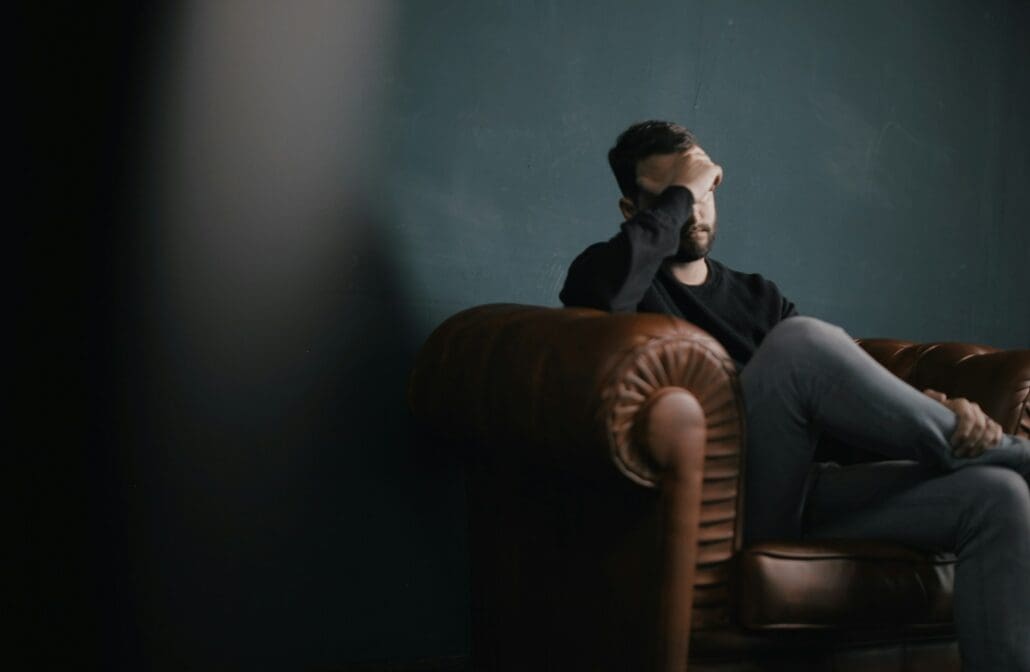
Anxiety is more than just feeling stressed or worried. It’s a persistent, often overwhelming feeling of dread or unease that can interfere with daily life. Symptoms can be both mental and physical, including:
- Restlessness or feeling on edge
- Uncontrollable worrying
- Increased irritability
- Difficulty concentrating
- Sleep problems
- Rapid heart rate
- Upset stomach or nausea
Many people turn to traditional treatments like cognitive-behavioral therapy (CBT) or medications such as antidepressants and benzodiazepines. These can be life-changing, but they aren’t a perfect fit for everyone. Some find the side effects of medication difficult to manage, while others may not have access to consistent therapy. This is where the conversation around cannabis begins.
Cannabis and Anxiety: The Basics
To understand how cannabis might help with anxiety, it’s important to know what’s inside the plant and how it works with your body.
THC vs. CBD
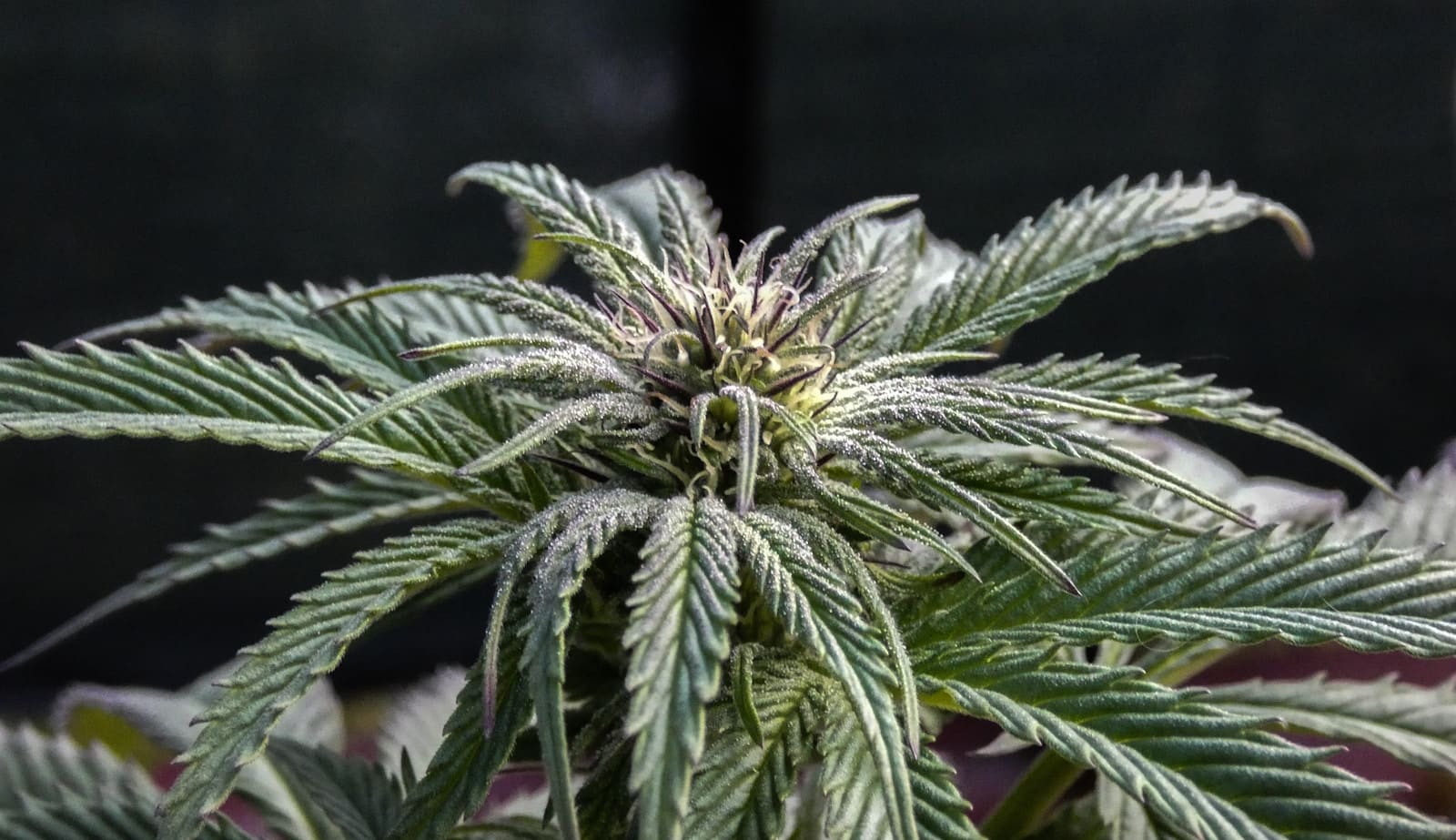
Cannabis contains hundreds of compounds, but the two most famous are THC (tetrahydrocannabinol) and CBD (cannabidiol).
- THC is the psychoactive compound that produces the “high” associated with marijuana.
- CBD is non-psychoactive, meaning it won’t make you feel high, but it’s known for its calming and therapeutic properties.
These compounds interact with your body’s endocannabinoid system (ECS), a complex network of receptors that helps regulate mood, sleep, appetite, and stress. By influencing the ECS, both THC and CBD can have a significant impact on anxiety levels.
Indica vs. Sativa
You’ve probably heard the terms “Indica” and “Sativa” used to describe different types of cannabis. While the science is evolving, they’re generally known for producing different effects:
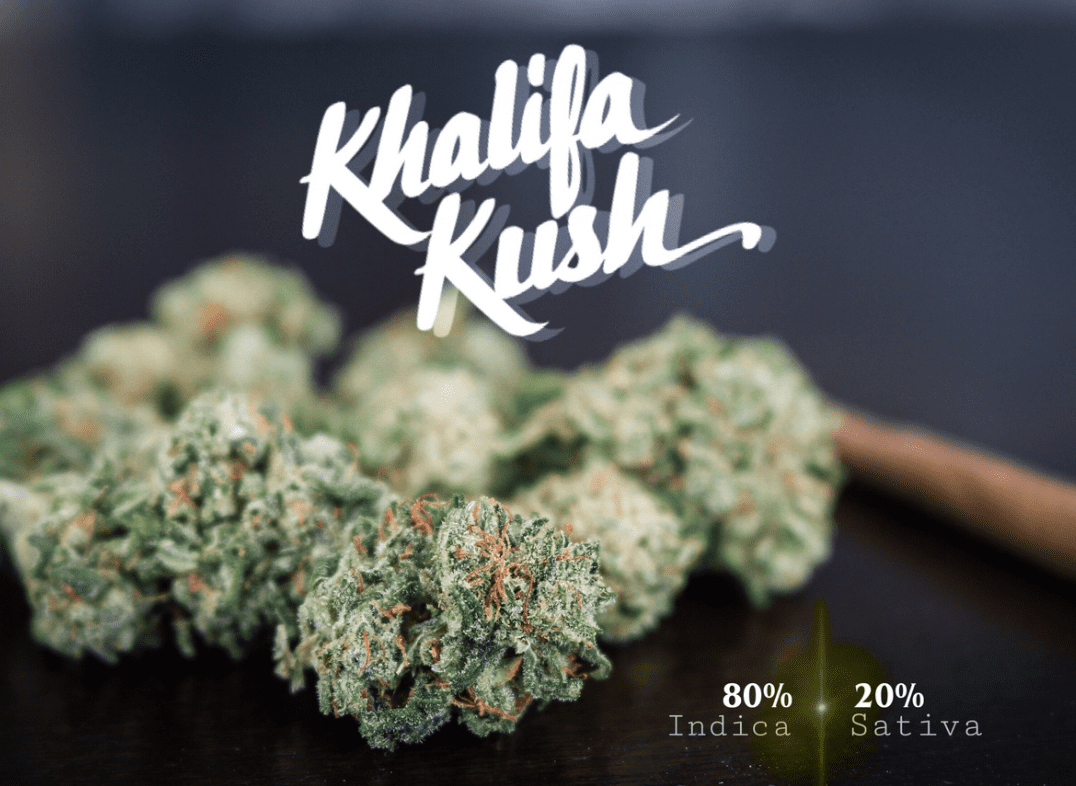
- Indica strains are often associated with a relaxing, full-body effect, sometimes leading to “couch-lock.” They’re typically recommended for evening use to unwind.
- Sativa strains are known for their energizing, cerebral high that can spark creativity and focus.
- Hybrids are crossbreeds of Indica and Sativa plants, offering a blend of effects.
How Cannabis Can Help with Anxiety
The relationship between cannabis and anxiety is complex, and the effects can vary widely from person to person. However, research points to several ways it can help.
According to Jefferson Health, CBD has been shown to decrease feelings of stress and anxiety at all doses. It works to calm the nervous system without the intoxicating effects of THC. This makes CBD-dominant products a popular starting point for those new to using cannabis for anxiety.
THC’s role is a bit more complicated. Jefferson Health also notes that lower doses of THC can reduce stress, but higher doses can trigger panic, paranoia, and anxiety. This is a critical point: when it comes to THC and anxiety, less is often more.
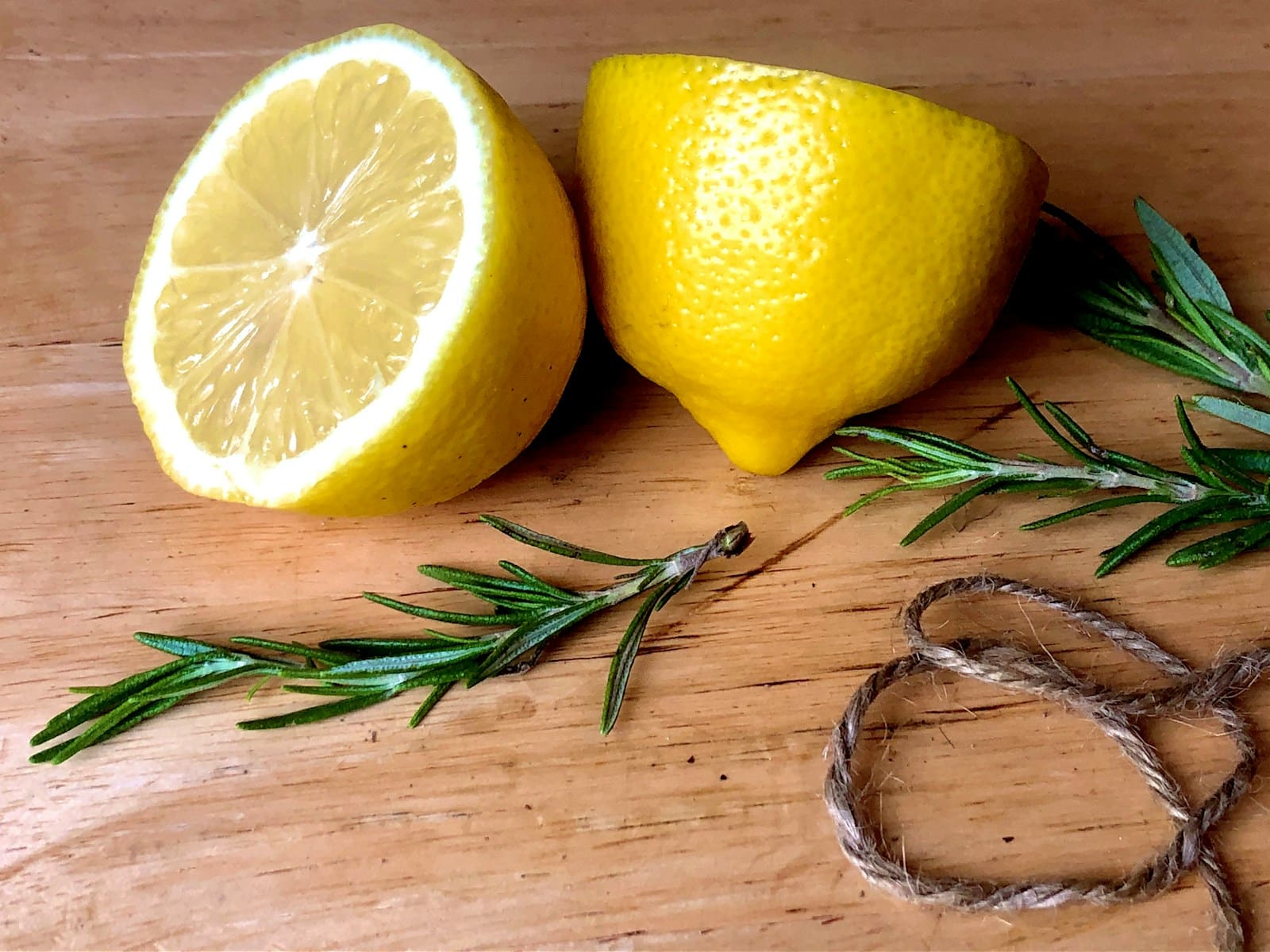
Recent research from Johns Hopkins Medicine adds another layer to this. A 2024 study found that d-limonene, a terpene (aromatic compound) found in cannabis and citrus fruits, may reduce the anxiety-inducing effects of THC. This highlights that it’s not just about THC and CBD; the entire chemical profile of a strain contributes to its effects.
Choosing the Right Strain and Method
Finding the right product and consumption method is crucial for a positive experience. Here are a few recommendations to get you started.
Start with Indica or Indica-Dominant Hybrids
Because Indica strains are known for their relaxing body high, they’re often a safer bet for anxiety. Sativa strains, with their intense head high, can sometimes overstimulate an anxious mind and lead to paranoia. Look for strains with a balanced THC-to-CBD ratio or those high in calming terpenes like limonene and linalool.
Choose a Controllable Consumption Method
When you’re dealing with anxiety, especially a panic attack, you want immediate relief and complete control over your dose.
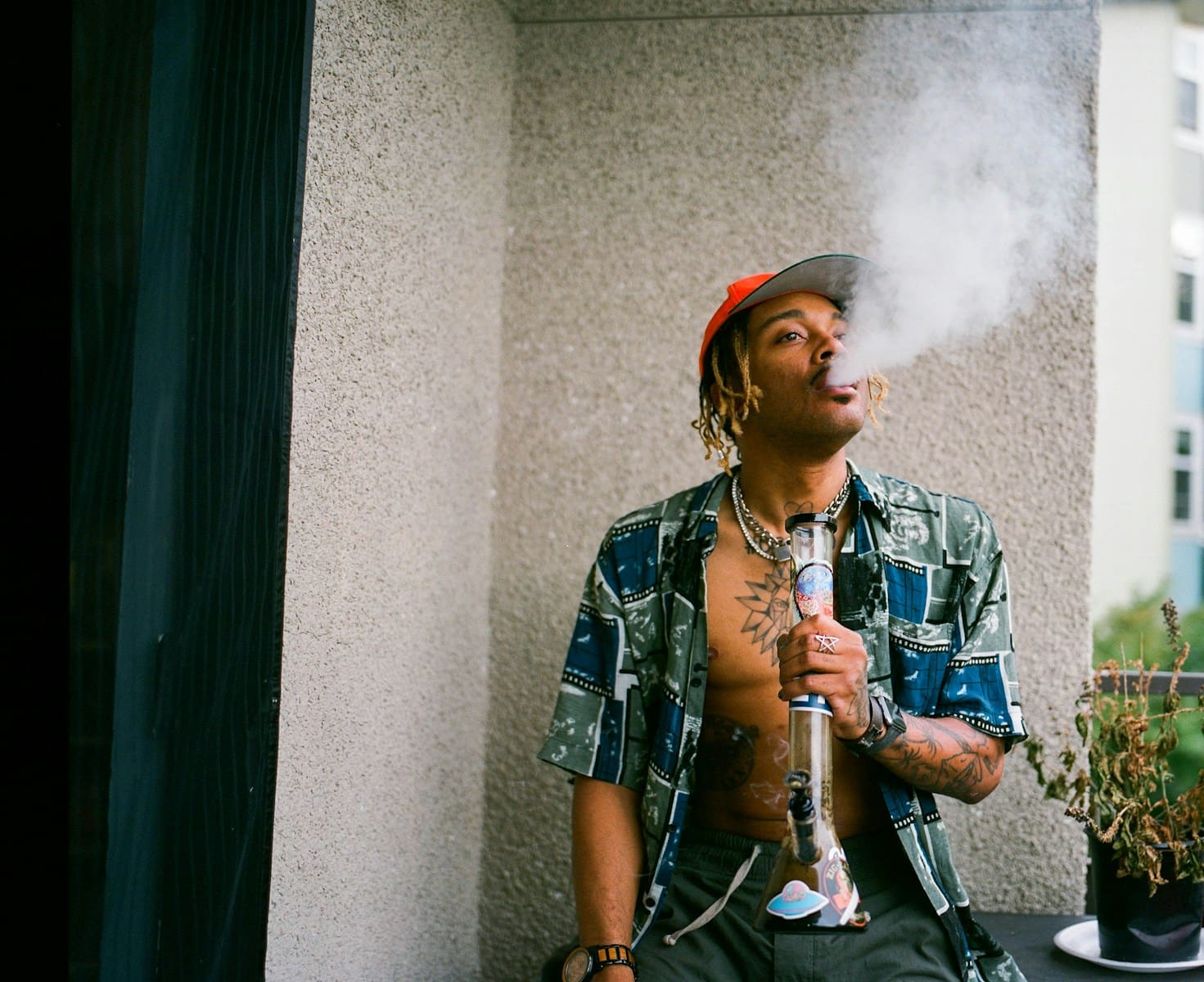
- Joints or Pipes: Smoking a joint or a simple pipe allows you to take small, measured hits. You can take a puff or two, wait a few minutes to see how you feel, and then decide if you need more. This method offers fast-acting effects, making it ideal for acute moments of panic.
- Vaporizers: Vaping is another excellent option for controlled dosing. Vaporizers heat cannabis without burning it, producing a less harsh vapor that’s easier on the lungs. They’re also discreet and produce less odor, making them perfect for microdosing throughout the day.
Master the Art of Microdosing
Microdosing involves taking very small amounts of cannabis to get the therapeutic benefits without the intense high. The goal is to find your minimum effective dose (MED)—the smallest amount needed to feel relief.
A vaporizer is perfect for this. Take one or two small puffs and wait about 30 minutes. Pay attention to how your body and mind feel. If your anxiety lessens, you’ve found a good starting point. If you don’t feel anything, you can try a little more. This practice helps you stay in control and avoid the uncomfortable feeling of being “too high.”
Risks and What to Avoid
While cannabis can be a powerful tool, it’s not without risks. Responsible use is key to avoiding negative experiences.
- Avoid High Doses: As mentioned, high doses of THC are a common cause of cannabis-induced anxiety and paranoia. Always start low and go slow.
- Be Wary of Edibles: Edibles can be tricky. Their effects are delayed, sometimes taking up to two hours to kick in, and they’re much more potent and long-lasting than inhaled cannabis. It’s easy to take too much while waiting for the effects to start, which can lead to an overwhelming experience.
- Know Your Health History: According to Jefferson Health, individuals with a personal or family history of psychosis or certain psychiatric disorders should be cautious with THC. It’s also important to be careful if you’re taking psychiatric medications, especially benzodiazepines, as cannabis can amplify their side effects.
Ready to Feel Better?
Using cannabis for anxiety isn’t about getting as high as possible; it’s about finding a gentle calm. By using the right products responsibly, you can make cannabis a valuable part of your mental health toolkit.
Remember these key takeaways:
- Start with Indica strains to promote relaxation.
- Microdose with a vape or a joint to find your minimum effective dose.
- Avoid high-THC products, especially if you’re a beginner.
Want to talk over indicas and terpenes that may work for you? Speak to any of our knowledgeable budtenders at a Kush21 near you. Our team is here to help you navigate our products and find the perfect match for your needs.