Ever wonder why some cannabis strains smell like citrus while others have that piney, forest-like aroma? Or why your favorite strain hits different than another with the same THC percentage? The answer lies in something called terpenes—and they’re way more important than most people realize.
If you’ve been choosing your cannabis based solely on THC content, you’re missing out on a whole world of flavor and effects. Terpenes are the aromatic compounds that give cannabis (and tons of other plants) their distinctive smells and tastes. But here’s where it gets interesting: they might also play a major role in how your high feels.
Think of terpenes as cannabis’s secret sauce. They’re not just about making your bud smell amazing—they could be the key to finding strains that actually work for what you need, whether that’s relaxation after a long day or energy for a creative project.
Breaking Down Terpenes: The Basics
Terpenes are naturally occurring chemical compounds found in plants and some animals. They’re basically nature’s perfume factory, responsible for the aromas, flavors, and even colors we associate with different types of vegetation.
You’ve been encountering terpenes your whole life without realizing it. That fresh smell when you walk through a pine forest? That’s beta-pinene. The zesty scent of a fresh orange? Thank limonene for that. The relaxing aroma of lavender? That’s linalool doing its thing.
While nearly all plants contain terpenes, some of the most common sources include aromatic herbs like sage and thyme, citrus fruits, and of course, cannabis. These compounds can also be processed to create products like cleaning solvents, pesticides, and dyes. Some even have therapeutic properties, which is where things get really interesting for cannabis users.
How Do Terpenes Actually Work?
Scientists believe terpenes originally evolved to protect plants from harsh weather and predators. Basically, they’re the plant kingdom’s natural defense system.
What they do in humans is still being researched, but cannabis enthusiasts and researchers are increasingly using terpenes to classify cannabis products and predict their effects. The main theory? A plant’s terpene profile works together with its cannabinoid content—including THC and CBD—to produce the effects people associate with different strains.
This could explain why two different strains with identical THC levels can produce completely different experiences. It’s not just about the THC percentage on the label—it’s about the whole chemical symphony happening in that flower.
The Entourage Effect: When Cannabis Components Team Up
Here’s where things get really cool. All these compounds—THC, CBD, terpenes, and other cannabinoids—appear to interact with each other in what experts call the “entourage effect.”
This hypothesis suggests that the “full spectrum” of cannabis, including all the cannabinoids, terpenes, and other compounds found in the plant, work together synergistically to produce its sensations and effects. In other words, a little bit of everything might have more benefit than a lot of one thing.
Research backs this up too. A 2010 study showed that a combination of CBD and THC was more effective for pain management than THC alone. Another study from 2018 found that breast cancer tumors in a Petri dish responded better to a cannabis extract than pure THC on its own.
This is super important if you’re using CBD for therapeutic purposes. If you’ve tried a CBD isolate (a product that contains only CBD) and found it didn’t deliver your desired effects, it might be worth trying full-spectrum CBD products instead.
Can Terpenes Get You High?
Short answer: not in the traditional sense. Terpenes won’t make you feel intoxicated on their own. However, some are considered psychoactive because they can affect the brain.
While terpenes aren’t intoxicating by themselves, some researchers think they may impact the effects of THC—the cannabinoid responsible for that classic cannabis high. Many cannabis connoisseurs and budtenders argue that consumers focus way too much on THC content when choosing a strain. Instead, they recommend paying more attention to specific terpene profiles to get your desired effects.
Early research suggests that some terpenes could have potential benefits for certain mental health conditions, including anxiety, depression, and bipolar disorder. Pretty wild that these aromatic compounds might be doing so much heavy lifting, right?
Meet the Heavy Hitters: Common Cannabis Terpenes
Cannabis contains 146 known terpenes, but experts have only linked a handful of them to specific effects so far. Here are some of the main players you should know about:
Beta-Caryophyllene
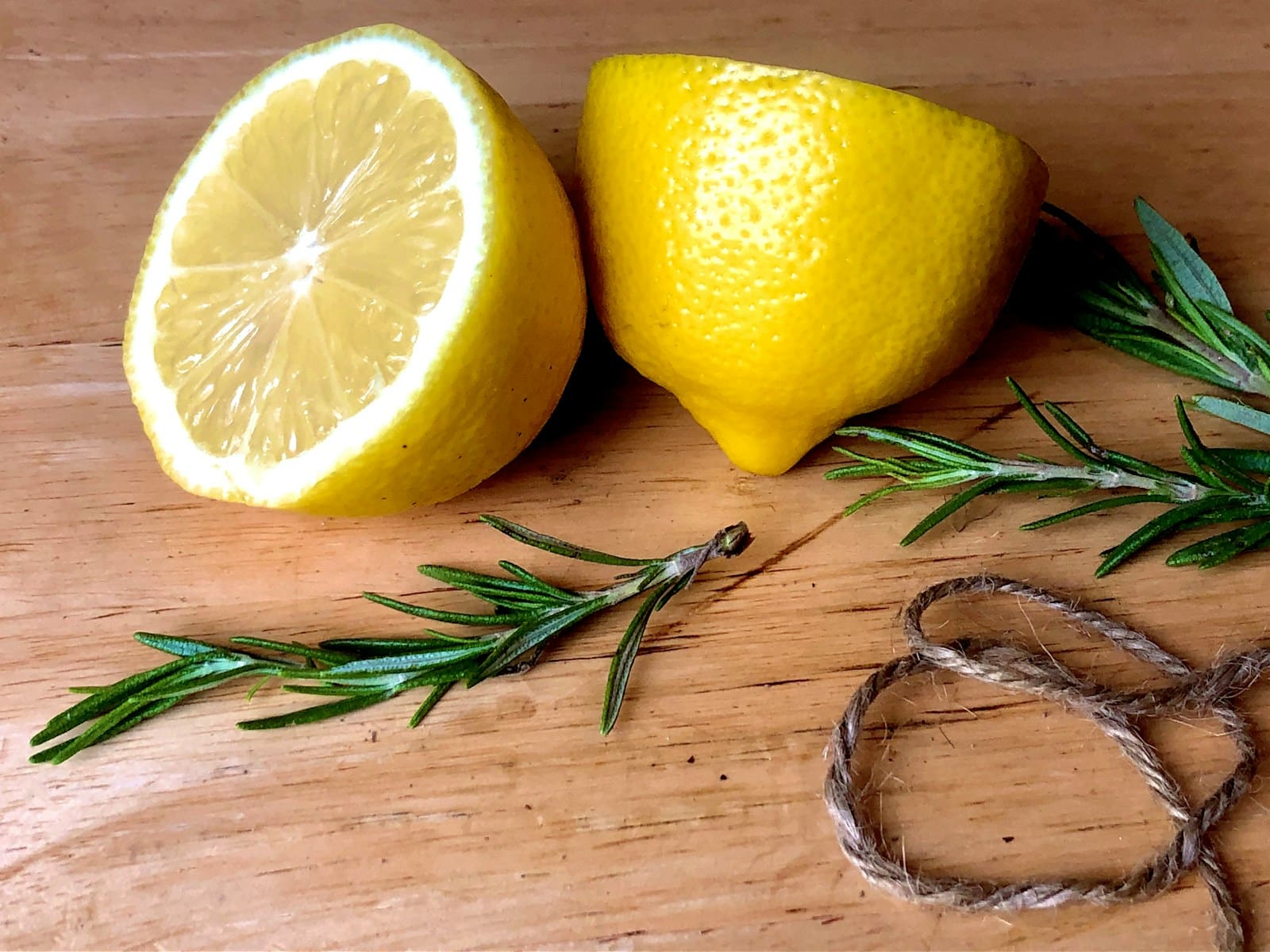
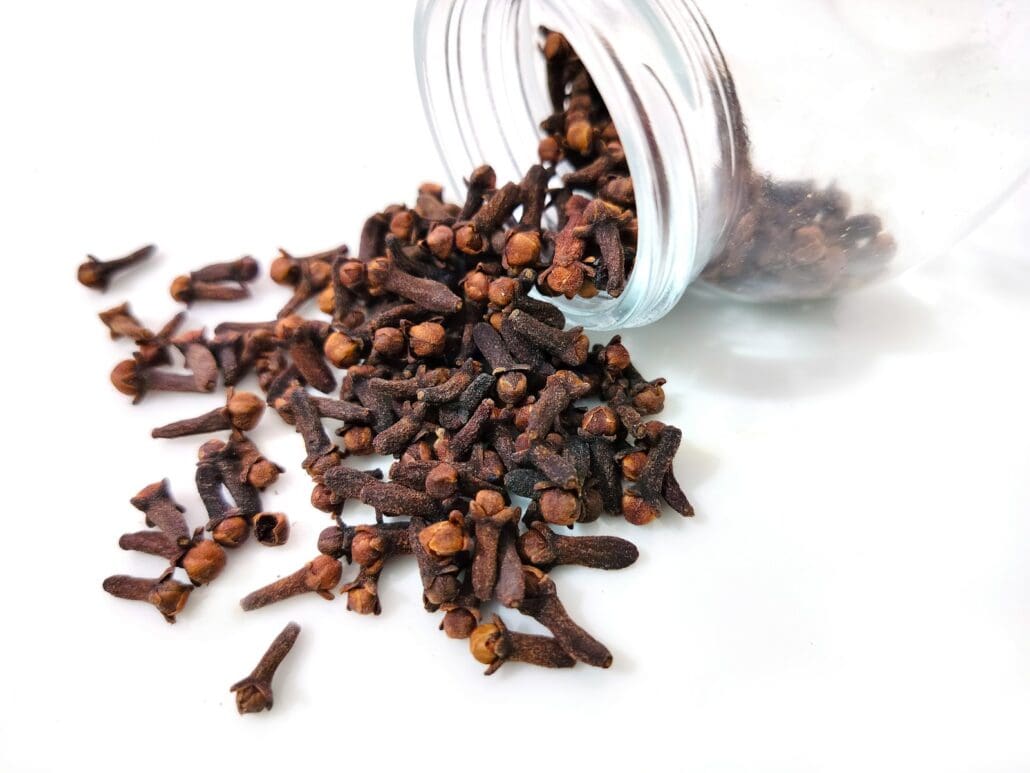
Found in cloves, rosemary, and hops, this spicy terpene could be beneficial for managing symptoms of anxiety and depression. Beta-caryophyllene is actually unique among terpenes because it can directly interact with cannabinoid receptors.
Beta-Pinene
If you’ve ever walked through a coniferous forest and loved that crisp, fresh smell, you know beta-pinene. This terpene potentially has both antidepressant and anticancer properties.
Humulene
This earthy terpene is found in ginseng. Humulene has been used in traditional medicine for its energizing effects for centuries.
Limonene
One of the most commonly found terpenes, limonene has those distinct citrus notes and may potentially have anticancer properties. Studies in mice have shown it might have anti-anxiety effects too.
Linalool
Lavender lovers should seek out cannabis with linalool, which may help alleviate stress. This is the same compound that makes lavender aromatherapy so popular.

Myrcene
Found in mangoes, myrcene has antifungal and antibacterial properties and could also have sedating effects. Some people swear by eating a mango before smoking to enhance their high, and myrcene might be why.
Keep in mind that much of the research on terpenes is still pretty early-stage. We need more high-quality human studies to fully understand the health impacts of different terpene profiles.
Getting the Most Out of Your Terpenes
Want to maximize the benefits of terpenes in your cannabis experience? Here are some pro tips:
Read the Label: Some lab-tested cannabis brands include terpene profiles (often the three most prevalent terpenes) and concentrations (usually around 2%). This info is gold for finding strains that work for you.
Check for Freshness: Terpene concentration can diminish over time, so look for products with recent package dates. You want flower that’s fragrant and not stale—that strong smell usually means high terpene content.
Be Careful with Cannabis Oil: Oil-based vaping products often have added synthetic terpenes. It’s not clear if synthetic terpenes are less effective than natural ones, but they’re typically used to create solvents and household chemicals. Proceed with caution and be skeptical of marketing materials making big promises.
Watch the Heat: There’s some evidence that dabbing, which involves high heat, could degrade synthetic terpenes and create potentially harmful byproducts. Until we understand more about how heat affects terpenes, you might want to stick with vaporizing flower at low temperatures or consuming edibles.
Keep a Cannabis Journal: As you try different terpene profiles, take notes on your consumption method and how you feel. Over time, this can help you pinpoint the best terpene profiles for the effects you’re after.
The Bottom Line on Terpenes
Terpenes play a major role in the aroma and flavor of cannabis plants, and they potentially work in harmony with cannabinoids and other plant compounds to create medicinal effects. However, research into cannabis terpenes is still in its early stages, so it’s tough to make definitive claims about them yet.
It’s also important to remember that your individual physiology, past cannabis experience, and the setting where you use cannabis can all affect how you feel. Terpenes are just one piece of the puzzle, but they can be a fascinating way to experiment with different products and find what works best for you.
Next time you’re at the dispensary, don’t just look at the THC percentage. Ask your friendly budtender about terpene profiles, smell different strains, and think about what kind of experience you’re looking for. Your nose and your high will thank you.