Terpenes are naturally occurring aromatic compounds found in cannabis and many other plants. They give each strain its distinctive smell and flavor—and emerging research suggests they may also influence how different cannabis products interact with the body’s endocannabinoid system.
If you’ve been choosing cannabis solely based on THC content, understanding terpenes can help you make more informed purchasing decisions. Think of them as one important layer in the overall chemical profile of a cannabis product.
What Are Terpenes and Where Do They Come From?
Terpenes are naturally occurring chemical compounds found in plants and some animals. They are responsible for the aromas, flavors, and in some cases colors associated with different types of vegetation.
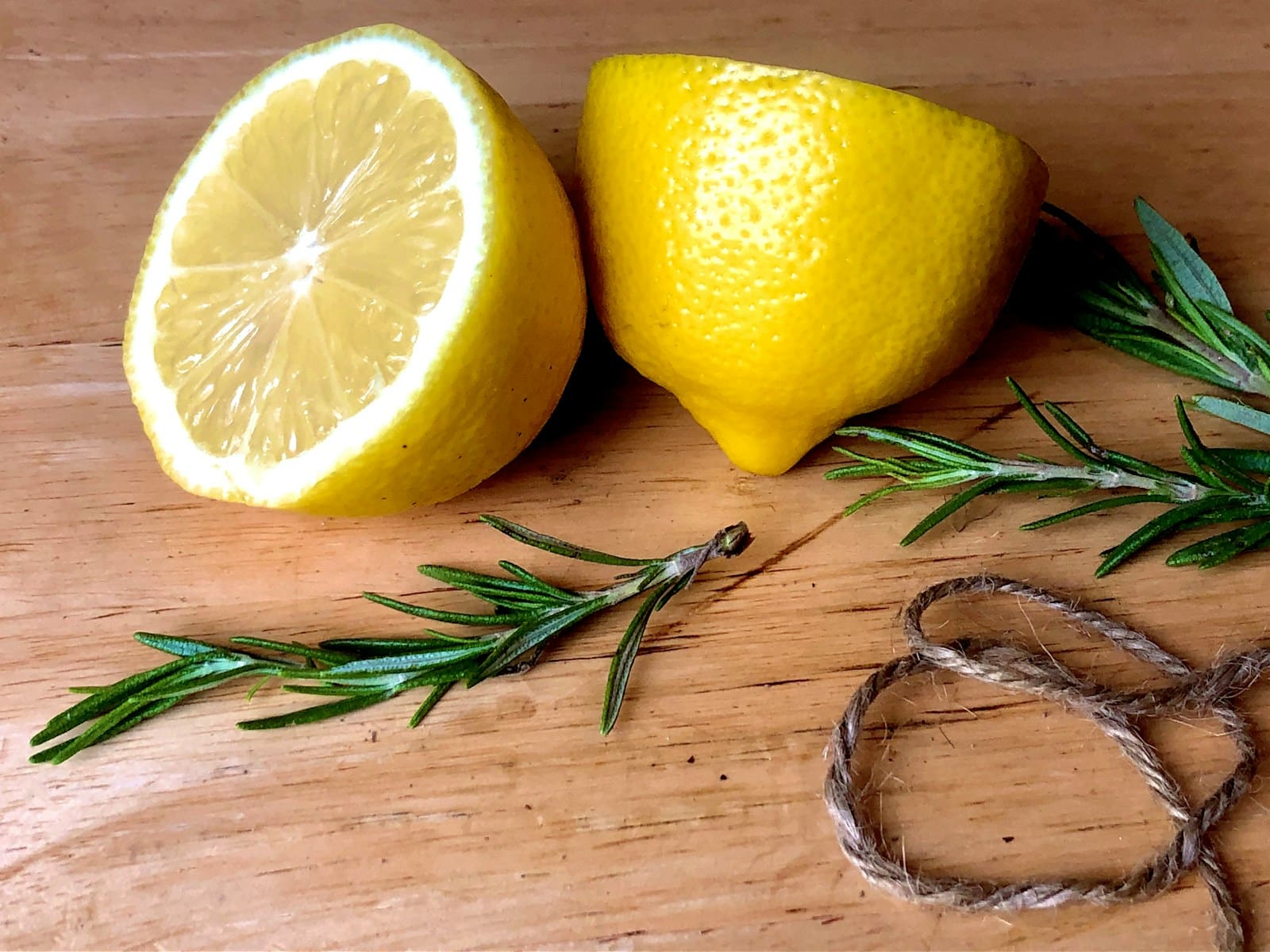
You’ve likely encountered terpenes long before walking into a dispensary. That crisp scent in a pine forest? That’s beta-pinene. The zesty smell of a fresh orange? Limonene. The aroma of lavender? Linalool. These same compounds appear across many plant species—including cannabis.
Common natural sources of terpenes include:
- Aromatic herbs like sage, thyme, and rosemary
- Citrus fruits
- Coniferous trees
- Cannabis flower
Beyond fragrance, terpenes can also be processed for use in cleaning solvents, pesticides, and dyes. Some have demonstrated therapeutic properties in early-stage research, which is a growing area of interest within cannabis science.
Why Did Cannabis Plants Develop Terpenes?
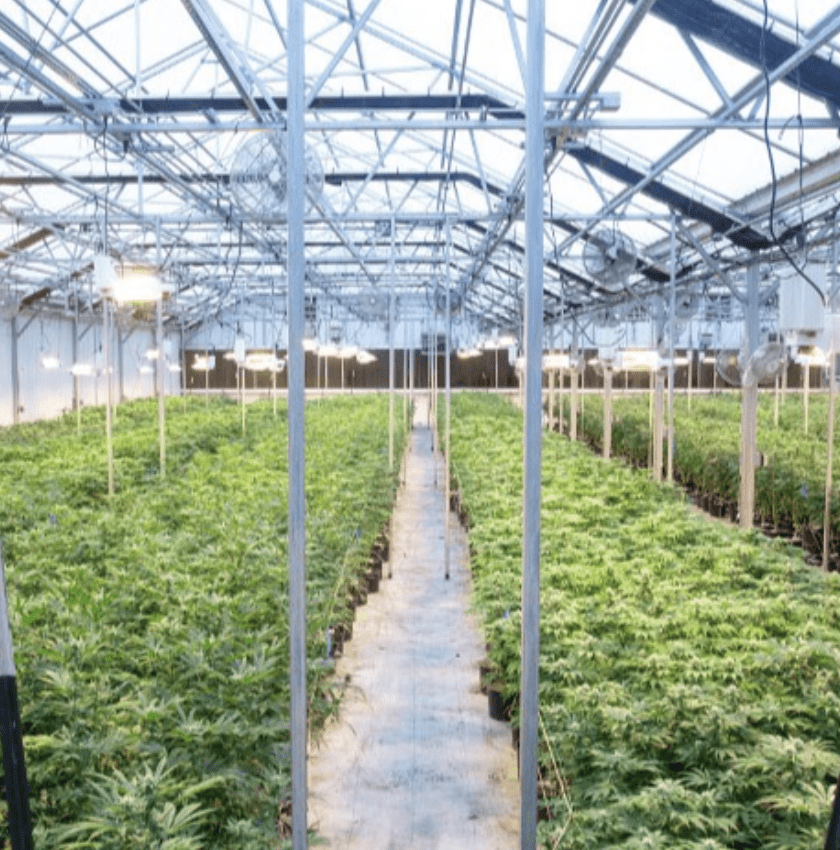
Scientists believe terpenes evolved primarily as a natural defense mechanism—protecting plants from predators and environmental stressors. In cannabis, they are produced in the same glands (trichomes) that produce cannabinoids like THC and CBD.
This shared origin is significant. It means terpenes and cannabinoids develop together as part of the plant’s full chemical profile, which is why researchers study them in combination rather than in isolation.
How Do Terpenes Interact With Cannabinoids?
Terpenes may work in conjunction with cannabinoids—including THC and CBD—as part of what researchers refer to as the “entourage effect.” This hypothesis proposes that the full spectrum of compounds in cannabis, including terpenes, cannabinoids, and other plant constituents, may work together synergistically.
This may help explain why two strains with identical THC percentages can produce noticeably different experiences. The overall chemical profile—not just THC content—shapes how a product interacts with the body.
Research in this area includes:
- A 2010 study showing that a combination of CBD and THC was more effective for pain management than THC alone
- A 2018 study finding that breast cancer tumors in a Petri dish responded more favorably to a cannabis extract than to pure THC in isolation
Important note: These studies are preliminary and have significant limitations. More high-quality human trials are needed before definitive conclusions can be drawn.
For consumers using CBD products: if a CBD isolate (a product containing only CBD) hasn’t delivered your intended experience, a full-spectrum CBD product—which retains terpenes and other plant compounds—may produce different results worth discussing with a knowledgeable budtender.

Can Terpenes Get You High?
Terpenes are not intoxicating on their own. They will not produce a cannabis-like high in isolation. However, some terpenes are considered mildly psychoactive because they can interact with the brain.
Some researchers suggest that terpenes may influence the way THC affects the body, though this area of study is still developing. Early research also points to potential relevance for certain mental health conditions—including anxiety, depression, and bipolar disorder—but these findings are not conclusive and should not be interpreted as medical guidance.
Common Cannabis Terpenes and Their Profiles
Cannabis contains approximately 146 known terpenes. Researchers have linked a subset of these to specific characteristics. Below are some of the most frequently encountered:
Beta-Caryophyllene
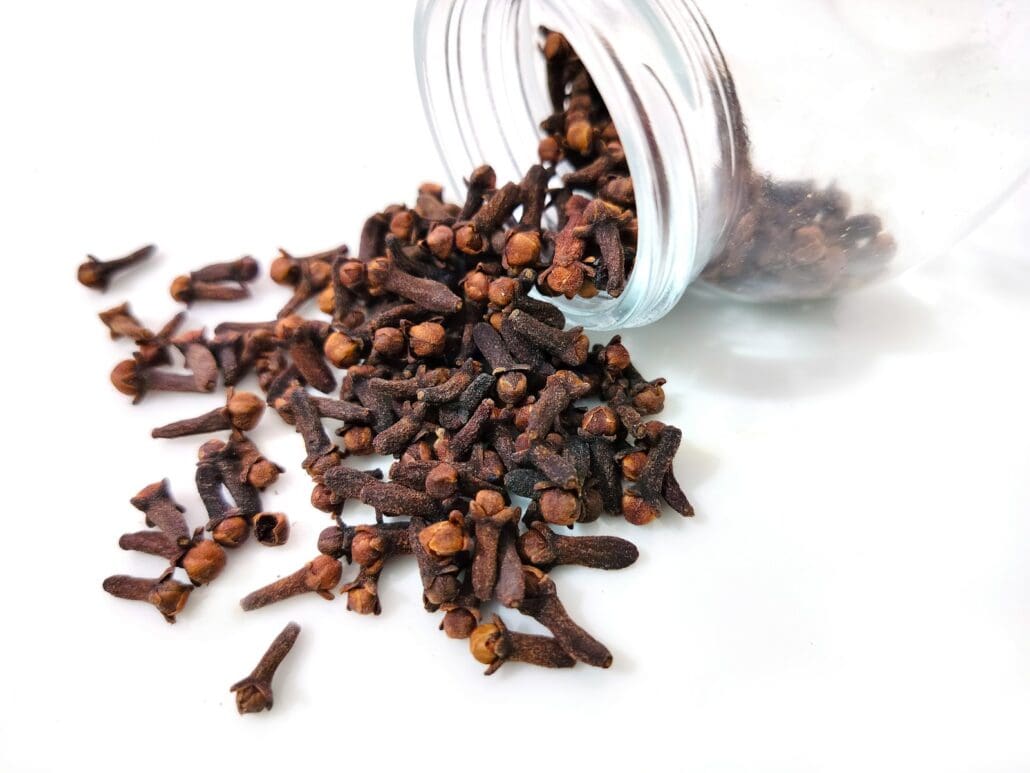
Found in cloves, rosemary, and hops, beta-caryophyllene has a spicy, peppery aroma. It is unique among terpenes because it can directly interact with cannabinoid receptors. Early research suggests potential relevance for anxiety and depression symptom management.
Beta-Pinene
Recognizable as the crisp scent of coniferous forests, beta-pinene has shown early-stage potential for antidepressant and anticancer properties in preclinical research.
Humulene
An earthy terpene also found in ginseng, humulene has been used in traditional medicine contexts for centuries. It is often associated with energizing characteristics.
Limonene
One of the most common terpenes, limonene carries distinct citrus notes. Preclinical studies in mice have suggested possible anti-anxiety and anticancer properties. Human research remains limited.
Linalool
The primary aromatic compound in lavender, linalool is associated with stress-related applications in aromatherapy research. Cannabis strains high in linalool share this characteristic scent.
Myrcene
Found in mangoes, myrcene has demonstrated antifungal and antibacterial properties in early research. It is also associated with sedating characteristics. Some consumers report that consuming mango before cannabis use affects their experience—myrcene content in both plants is one proposed explanation, though this is anecdotal.
Disclaimer: Research on cannabis terpenes is still early-stage. The above characteristics are based on preliminary or preclinical studies and should not be interpreted as medical claims or treatment guidance.
How to Use Terpene Information When Choosing Cannabis Products
Read the label. Many lab-tested cannabis products include terpene profiles—often listing the three most prevalent terpenes and their concentrations (typically around 2%). This information is a useful starting point for comparing products.
Check for freshness. Terpene concentrations diminish over time. Look for products with recent package dates. A noticeably fragrant flower generally indicates a higher terpene content.
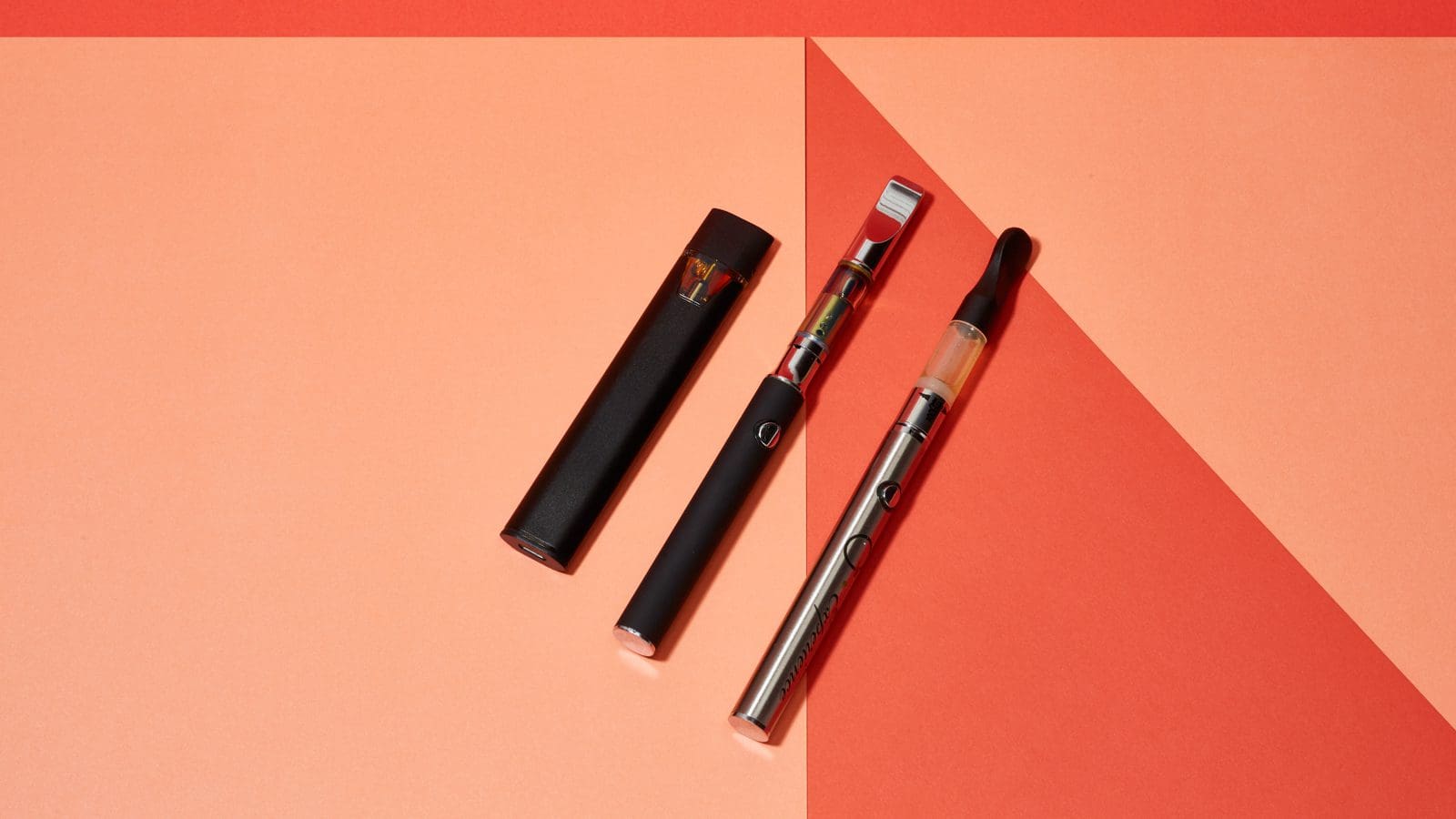
Be cautious with cannabis oil products. Oil-based vape products sometimes contain added synthetic terpenes. Whether synthetic terpenes behave identically to naturally occurring ones is not yet established. Approach marketing claims around synthetic terpenes with healthy skepticism.
Be mindful of heat. High-temperature consumption methods—such as dabbing—may degrade certain terpenes and could potentially create harmful byproducts. Until research clarifies this further, lower-temperature vaporization of flower is one option worth considering.
Keep a product journal. Tracking which terpene profiles you’ve tried, your consumption method, and how you felt afterward can help you identify patterns over time and make more consistent purchasing decisions.
Frequently Asked Questions About Cannabis Terpenes
Q: What is the difference between a terpene-rich strain and a high-THC strain?
A: A high-THC strain is measured primarily by its THC concentration. A terpene-rich strain contains elevated levels of aromatic compounds that may interact with cannabinoids as part of the plant’s overall chemical profile. Both attributes can be present in the same product, but they measure different things.
Q: Are terpenes the same in every cannabis product format?
A: Not necessarily. Terpenes can be affected by processing, heat, and storage. Whole flower tends to retain terpenes most effectively, while extracted or processed products (such as vape oils or distillates) may have lower or modified terpene content, depending on whether terpenes are reintroduced during manufacturing.
Q: How do I find out the terpene profile of a product at Kush21?
A: Ask a Kush21 budtender—they can walk you through the terpene information on available lab-tested products and help you compare options based on your preferences.
The Bottom Line on Terpenes
Terpenes are an important and often overlooked component of cannabis’s overall chemical profile. They shape aroma and flavor, and early research suggests they may work in conjunction with cannabinoids in ways that influence the consumer experience—though much of this research is still developing.
Individual physiology, prior cannabis experience, consumption method, and setting all play a role in how a product feels. Terpenes are one useful data point among many.
Next time you visit Kush21, consider asking your budtender about terpene profiles alongside THC and CBD content. Engaging with the full chemical picture of a product is a more informed approach to cannabis selection.
All cannabis purchases at Kush21 are for adults aged 21 and over only. Valid government-issued ID is required. Cannabis is legal for adult recreational use in Washington State under Initiative I-502. Cannabis may impair your ability to drive or operate machinery. Do not drive under the influence of cannabis.